
TMD
Wylie, Texas
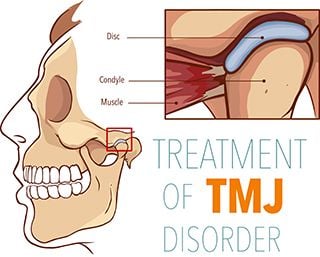
The temporomandibular joints connect the temporal skull bones to the lower jawbone, functioning as hinge-like joints that enable mouth movement. These joints work through coordinated action of muscle, bone, and cartilage.
Causes
Temporomandibular Joint Disorder develops from arthritis, bruxism, genetic factors, jaw injury or infection, bite misalignment, or combinations thereof.
Symptoms
Symptoms include painful chewing, persistent TMJ discomfort, earaches, bite changes, muscle spasms, clicking/popping jaw sounds, and limited jaw movement.
Conservative Treatments
Treatment approaches include conservative methods such as over-the-counter pain relievers, ice packs, heat compresses, behavioral modification, stress-reduction techniques, muscle relaxants, corticosteroids, anti-inflammatory medication, physical therapy, and custom mouthguards.
Dental Treatments
Dental treatments address minor misalignment, while orthodontics handles more serious cases.
Surgical Interventions
Surgical interventions include arthroscopy—a minimally invasive procedure using video technology through a small ear incision—and arthroplasty, which repairs, replaces, or repositions damaged joint components.
Jaw pain doesn't always indicate TMD, and many cases are temporary. Persistent symptoms warrant professional evaluation to prevent further joint damage.