
Periodontal Disease
Wylie, Texas
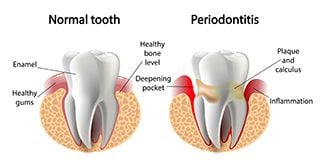
Gum disease, formally called periodontitis, represents a bacterial infection attacking soft tissues surrounding teeth. The condition progressively worsens without intervention, ultimately destroying bone supporting teeth and causing tooth loss. While highly preventable through proper hygiene practices, the condition remains widespread.
Four Progression Stages
Gingivitis
Gingivitis marks the initial stage, showing red, swollen, and bleeding gums. This remains the only reversible stage since bone damage hasn’t occurred yet. Regular brushing, flossing, and professional cleanings prevent its development.
Mild Periodontitis
Mild periodontitis develops when gingivitis goes untreated. Gums recede, bone loss begins, and periodontal pockets form—spaces where bacteria accumulate beyond reach of standard brushing and flossing.
Moderate Periodontitis
Moderate periodontitis involves bacterial damage to ligaments and tissues. Gums become sore and tender, with permanent damage now present.
Severe Periodontitis
Severe periodontitis represents the most advanced stage, featuring receding gums, bleeding, abscesses, tooth gaps, and loose teeth.
Risk Factors
Contributing risk factors include:
- Smoking
- Autoimmune conditions
- Genetic predisposition
- Hormonal fluctuations
- Chronic inflammation conditions
- Specific medications affecting saliva production or gum tissue growth