
Bruxism
Wylie, Texas
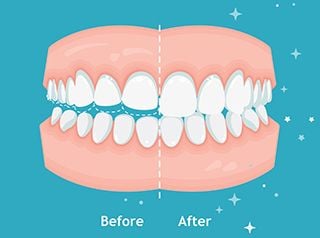
Bruxism represents the clinical diagnosis for repetitive tooth grinding and jaw clenching. Given that jaw muscles can exert hundreds of pounds of pressure, continuous grinding and clenching may cause substantial injury to teeth and jaws without professional dental care.
Awake Bruxism
Awake bruxism describes unconscious grinding or clenching during daytime hours, typically occurring during concentration, emotional stress, frustration, or anxiety. Awareness alone often suffices to stop the behavior. Alternative interventions include jaw relaxation, stress management, protective mouthguards, and pharmaceutical options.
Sleep Bruxism
Sleep bruxism occurs more frequently. Since individuals don't recognize this grinding during sleep, serious dental consequences may develop progressively.
Damage from Bruxism
Bruxing damages fractured and chipped teeth, eroded tooth surfaces, and compromised enamel. Severe cases might necessitate crowns or tooth extraction. Grinding forces can fracture veneers, fillings, crowns, and contribute to implant failure. Persistent bruxing can harm the temporomandibular joint controlling jaw movement.
Triggers
Triggers include stress, personality traits, smoking, alcohol and caffeine use, sleep apnea, bite misalignment, medications, and genetic predisposition.
Management
Management involves relaxation techniques, lifestyle modifications, pharmaceuticals, and custom nightguards. Custom-fitted nightguards prove more effective and comfortable than over-the-counter alternatives.
Warning Signs
Warning signs include tooth sensitivity, flattened enamel, chipped teeth, loose teeth, frequent headaches, jaw soreness, earaches, tongue injuries, and sleep disruption.