
Bridges
Wylie, Texas
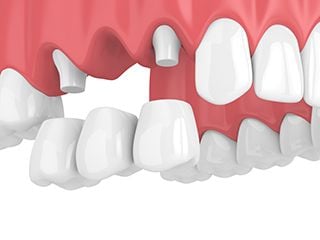
When tooth loss occurs, both appearance and function suffer. Eating and speaking become difficult, remaining teeth experience increased stress, and gum disease risk rises. Teeth may shift, altering your bite and facial structure over time.
Bridges restore function and appearance using prosthetic teeth called pontics, made from metal, porcelain, or combinations thereof. They match natural teeth in size, shape, and color. Bridges typically replace one to four missing teeth.
Types of Bridges
Traditional Bridges
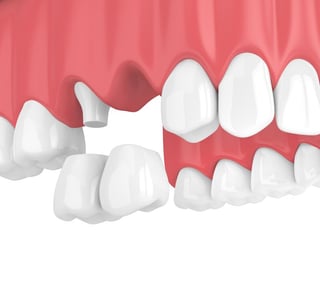
Use crowns anchored to healthy adjacent teeth (abutment teeth), creating a fixed restoration.
Cantilever Bridges
Rely on a single abutment tooth when teeth exist only on one side of the gap. They're unsuitable for rear teeth due to chewing forces.
Maryland Bridges
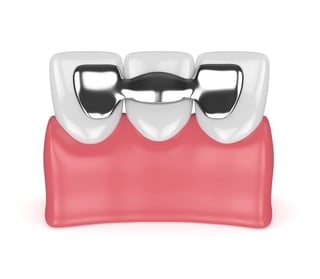
Feature wings bonded to abutment tooth backs, avoiding crown placement. This conservative, cost-effective option works best for front teeth.
Implant-Supported Bridges
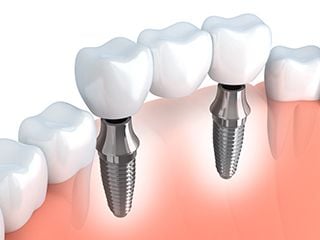
Attach to surgical jawbone implants that fuse with bone over months. Though expensive, they preserve bone density through stimulation, preventing the shrinkage that occurs without tooth roots.
Your dentist determines which option suits your specific situation, oral health, and preferences.