
Your Child’s First Teeth
Wylie, Texas
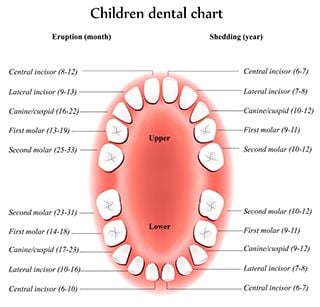
Baby teeth typically emerge in the lower front region, with most children having a complete set by age three, though timelines vary—some children don't see their first tooth until their first birthday.
Managing Teething
Teething involves discomfort, excessive drooling, and tender gums. Management strategies include:
- Gently rubbing gums with a clean finger
- Offering solid teething rings (frozen acceptable)
- Providing clean wet or frozen washcloths
- Offering teething biscuits under supervision
- Consulting pediatricians about acetaminophen dosing for safe pain management
Important warnings:
- Avoid belladonna and benzocaine products
- Never use teething necklaces due to strangulation and choking hazards
Oral Care for First Teeth
Oral care begins when the first tooth emerges. Key practices include:
- Brushing twice daily with rice-grain-sized fluoride toothpaste amounts initially
- Preventing bottle-feeding before bedtime
- Increasing toothpaste to pea-sized amounts at age three
- Teaching children to spit out excess toothpaste
- Parental application of toothpaste until age six with continued monitoring through age seven or eight
Fluoride Benefits
Fluoride strengthens tooth enamel and prevents decay. It occurs naturally in tap water (rarely in bottled water), making tap water preferable for young children consuming solid foods. Pediatric dentists can recommend fluoride supplements if intake appears insufficient.